







 Drive May 22, 2026
Performance cars may evoke concerns over elements like horsepower, suspension systems, or even technique.
Tires? Not until there’s a problem. Trouble stopping, wiggle in the rear end, no feel in the steering. That’s when it hits you: there’s more to the round, black things at the corners of your car beyond holding up the wheels.
Performance tires are how the car speaks to you. They help keep everything moving, yes, but they also hone that movement so it feels right, where it feels right.
It’s not the most shocking thing at first. Rather, it’s something that accumulates momentum when you consider it.
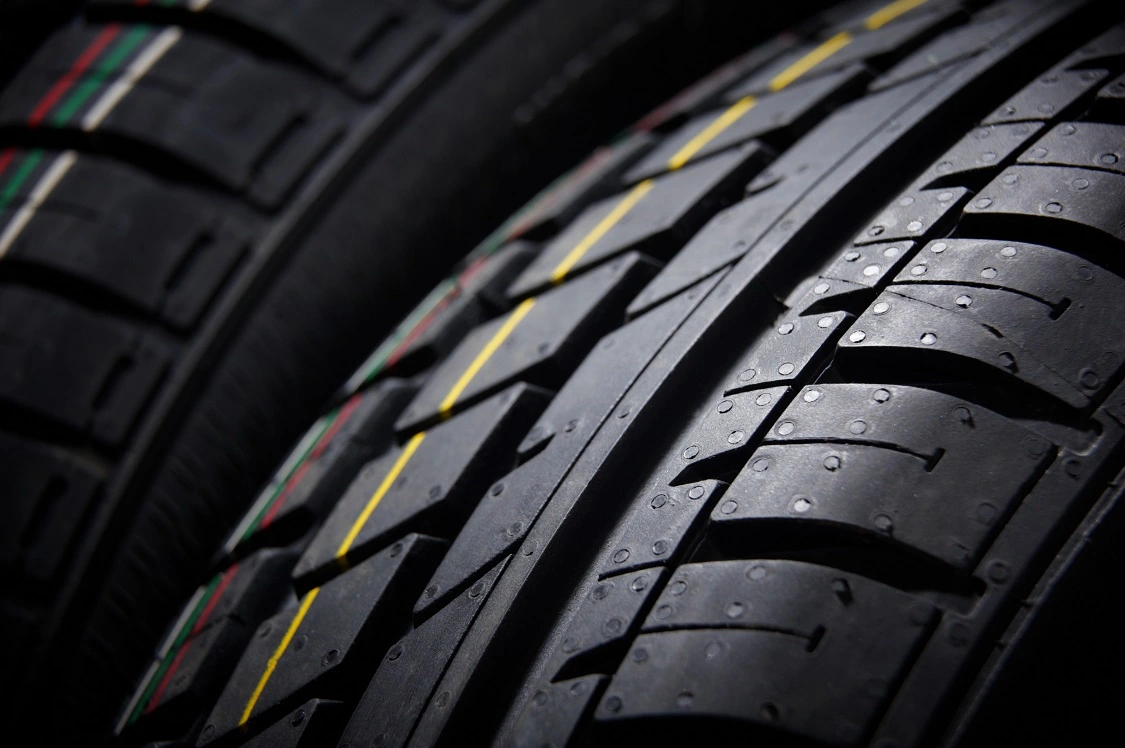
Performance tires are designed to put more rubber on the pavement. This is accomplished through specific rubber compounds and tread patterns designed for traction above wear life. The result is a car that is more “planted”, especially when turning or stopping.
There isn’t a tiny bit of lag that can be found on more regular tires. Here, inputs show up a bit more immediately. The car is more stable when pushed hard. This is another little thing, but it can result in a significant connection between you and your steering wheel.
It’s often said that performance tires aren’t very practical unless you’re speeding around corners and switching lanes with a minimum of fuss. That’s not quite right.
Having a better grip at lower speeds increases stability and decreases any margin of error at the limit, even if all you’re trying is to come to a controlled stop or stay on the road in a rainstorm. It’s less about going places and more about getting things stopped in a hurry if you need to.
That doesn’t mean they’re quiet-riding luxury items. Expect a firmer ride and faster wear than a standard passenger car tire.
What’s changed isn’t just the tires. It’s a driver’s perspective.
Now, more people see their tires as something that’s part of the fun, rather than just a wear item. Instead of waiting until they have to make a replacement, they’re looking to make an upgrade with tires that offer the kind of performance they want.
That means that today, it’s easier to find tires that can suit different styles. Some people will prefer tires that offer more handling bite, while others will prefer something friendlier with less noise, and some will want something in the middle. Auto parts stores and tire shopping home pages like Priority Tire, for instance, have solutions available that have enough size and style variance to make sure a driver doesn’t have to try dealing with just a single kind of tire.
Another element that doesn’t come into play as much? How and where you drive.
Performance tires usually perform best in the heat of the summer. If you’re in a relatively stable, dry environment, you might notice everyday handling improvements. If your location is typically cold or frequently inconsistent, you might not be able to take advantage of everything they have to offer. That’s when all-season tires start to seem a lot more attractive.
There’s no such thing as better, just a question of what fits your lifestyle.
Performance tires are not for everybody (and they don’t pretend to be). What they do offer is a subtle step up: more confident performance, more feedback, higher levels of engagement.
For some people, these things are immaterial. For others, they are what differentiate a car that gets you there from one that you enjoy on the way.
And once you start enjoying it… It’s tough to go back to not!