







 Drive April 01, 2026
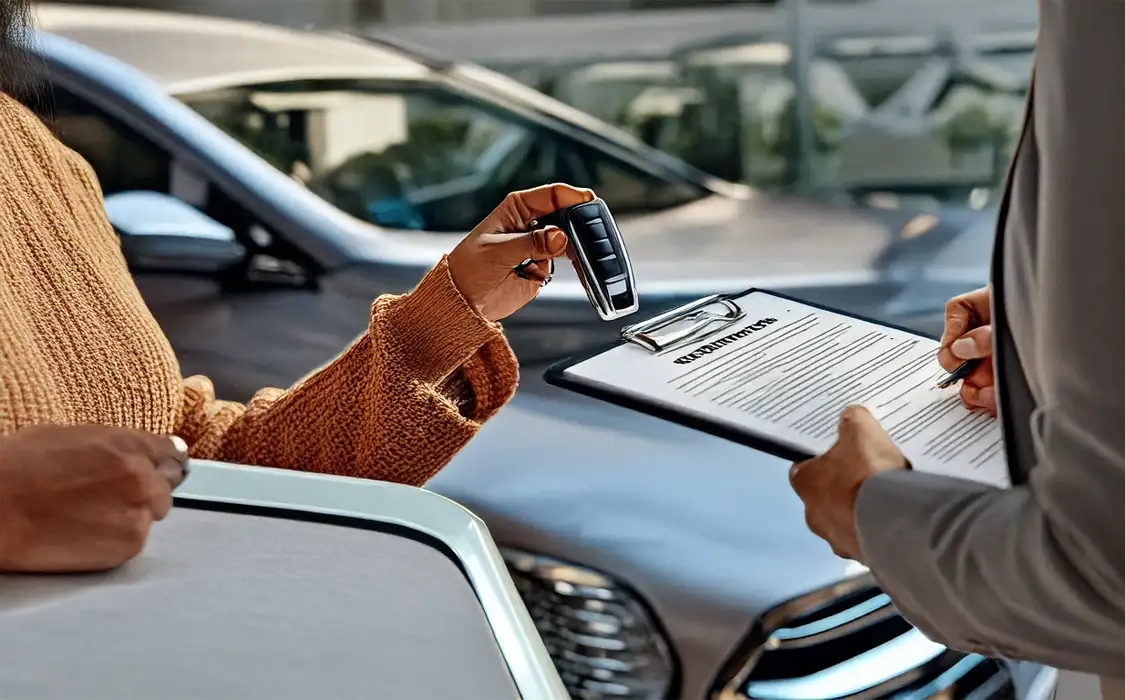
There seem to be so many service providers, deals, and methods of getting a vehicle on the road in 2026 that it’s natural if you don’t know where to start. For many drivers in the US, it’s about value for money and reliability right now, especially when you consider how much gas prices and other household costs are changing from one month to the next.
With this in mind, we’re going to take a closer look at the flexible world of car leasing so that you can see why we think it’s definitely still worth it in 2026.
If you finance a car with a view to owning it outright at the end of the contract, you will pay more every month than if you lease the same car. This is because the leasing company retains ownership of the vehicle, meaning that you only have to pay for the drop in value of the vehicle during the course of the agreement. Ideal when you want to make sure your household budget goes further during what many feel are uncertain economic times.
When you drive a car for thousands and thousands of miles, you become all too familiar with its sounds, habits, and shortcomings. You get used to having to constantly have it in the shop and always seem to be paying for something or other to be fixed, repaired, or upgraded.
The problem is that you’ve become used to this, and that your household budget is only ever one big bill away from being turned upside down. When you lease, by contrast, there’s no wear and tear on the engine or the brakes and the transmission, meaning that the repairs and servicing become so much more predictable. Perfect when you want to make sure there are no nasty surprises when you have other things you need to be spending your money on.
EVs with better battery ranges, cars with more advanced safety features, and entertainment systems that keep everyone relaxed during long drives are the norm when you lease. It’s this level of flexibility that has seen leasing become not only very popular across the US, but has also seen it disrupt markets where it had previously had a much smaller market share — companies like Vantage Leasing in the UK being prime examples.
Companies choose to lease their vehicles so that their traveling reps and those who are customer-facing can make the best possible first impression. Hardworking families choose to lease because they want to do everything they can to keep their little ones safe by driving with the benefit of the very latest safety technology. Drivers who have to travel long distances also choose to lease because it gives them access to brand-new models that are equipped with potentially life-saving features, such as lane assistant and proximity sensors.
For a long time, drivers in the US have thought that owning a car outright is a smart move, but the truth is that it can cause hurdles when you’re trying to fund an upgrade. Paying less for a lease, and then being able to hand it back at the end of the agreement, is something that contrasts with the cost of buying outright and then having to wait to sell a high-mileage vehicle before you can afford to upgrade.
Property and other valuables tend to appreciate over time, but the value of a car moves rapidly in the other direction because it will become less reliable the older it gets. Leasing makes this the problem of the leasing company, allowing you to focus on getting behind the wheel of a new car every three years so that you can eliminate many of the headaches that come with car ownership.
Talking to a leasing specialist will allow you to discuss your requirements and hear your options, and all in a way that will take your monthly budget into account from the very beginning. By finding a vehicle that is both affordable and fit for purpose, you can get on the road in a way that works for you. Just make sure the fee structure and the mileage cap are both clearly outlined, and you will be able to make a decision that really does take the stress out of driving.