







 Drive March 31, 2026
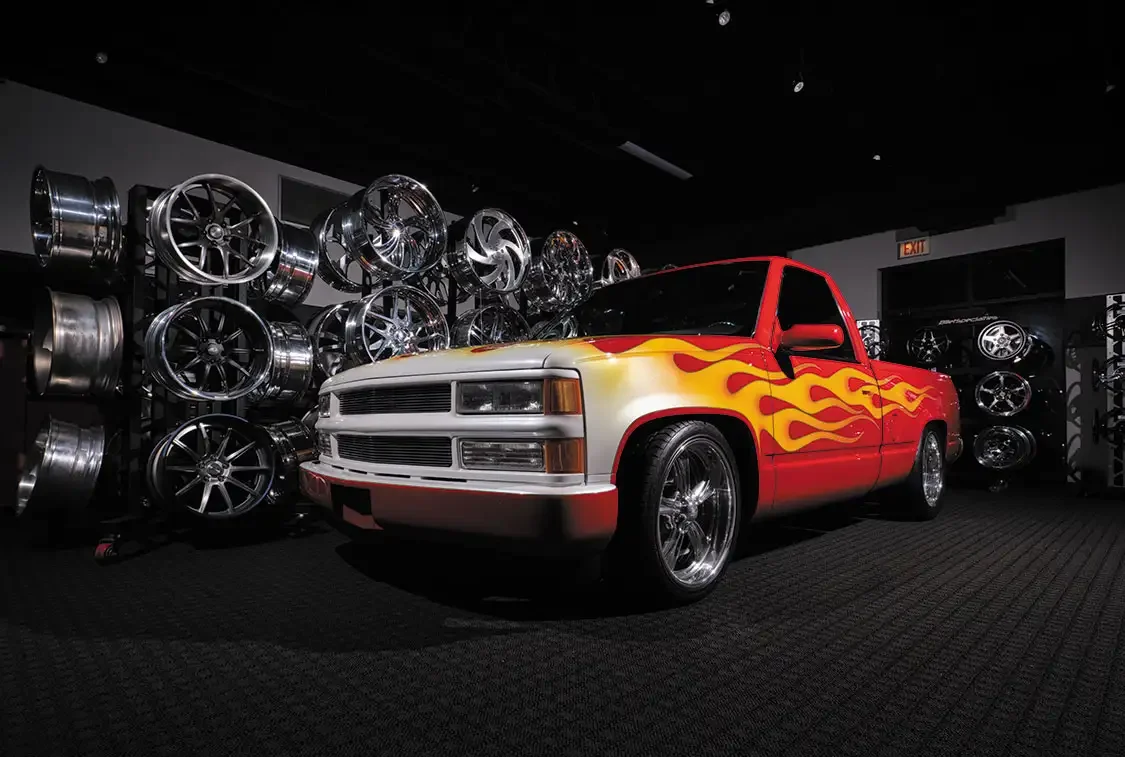
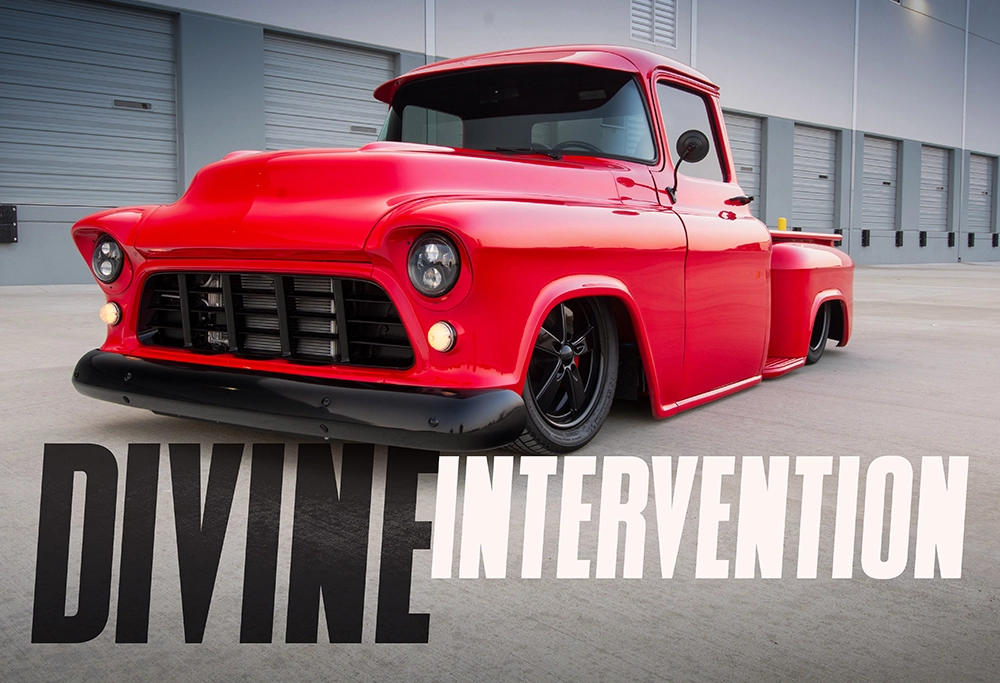
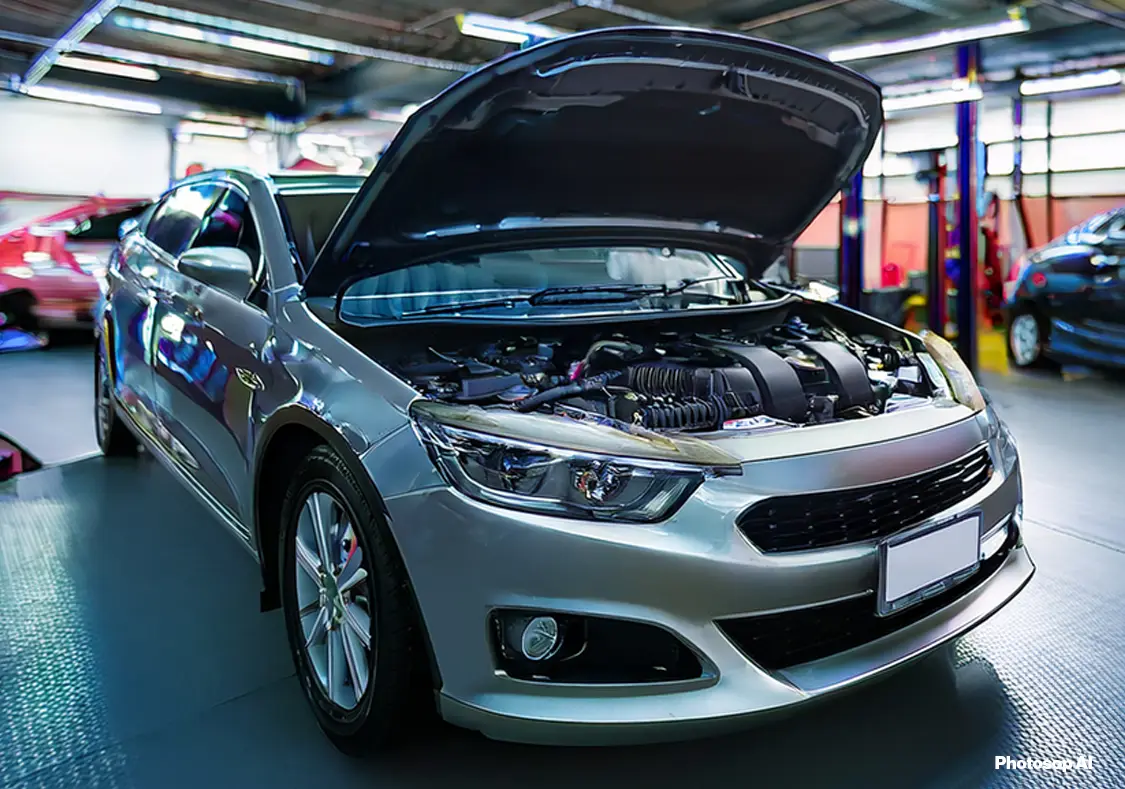
A custom or restored vehicle can stop traffic at a show and still be genuinely dangerous on the way home. Polished paint, a detailed interior, and a bright engine bay give a build the appearance of completion, and yet the mechanical work underneath can fail once the car hits highway speed, encounters rough pavement, or needs to stop hard.
Show-quality finish and road-ready reliability are two separate standards, and not every build meets both.
Cosmetic work gets noticed first. After months or years of work, it’s natural to treat visual completion as the finish line, and mechanical defects don’t announce themselves in a garage at idle.
Show environments and short garage drives never generate the speed, heat, or stress that expose braking, steering, and electrical problems, and a build that hasn’t faced those demands carries risk the owner may not see until it’s too late.
Brakes are the clearest place where a build can look finished and still fall short. New calipers, rotors, and lines read as a complete job, and in a garage they can feel adequate, but several problems only surface once the system is pushed hard on the road.
A brake system assembled from new components can still have serious problems if the installation wasn’t done correctly. Watch for:
A pedal that feels soft, travels too far, or requires pumping to firm up is a signal the system hasn’t been finished properly.
Heat buildup under sustained braking is one of the most reliable ways to expose incomplete brake work, and a short neighborhood drive never generates enough heat to reveal it.
A custom build needs a test that includes hard stops from higher speeds and repeated braking on a grade. Symptoms to watch for:
A build can feel composed at low speed and become unpredictable once speed rises or the road surface changes. Suspension geometry is sensitive to ride height, part selection, and installation order, and errors in any of those areas create handling problems that only appear in motion.
Loose steering feel, whether from worn tie rod ends, an improperly torqued steering box, or a column that wasn’t fully secured, produces a car that requires constant correction at highway speed.
Ride height changes affect suspension geometry in ways that a basic alignment won’t fix. Here are a few key problems to check:
Tire rubbing under full suspension travel can become a handling problem at the worst possible moment. Additional concerns on custom builds:
A build that hasn’t been tested through full suspension travel on rough pavement can hide rubbing that only appears under compression.
Seat mounts need to carry the load of a restrained occupant in a hard stop or a collision, and a mount that passes a visual inspection may not be secured to a structural point in the floor.
Additional restraint concerns on custom and restored builds:
Interior work that moves or replaces factory belt anchor points needs to be verified against the load requirements for that hardware.
A headlight that illuminates the road straight ahead can still be aimed poorly enough to blind oncoming drivers or leave the road dark through curves. Other lighting problems that go undetected until after dark:
Brake lights and turn signals wired through an incomplete or overloaded circuit can fail in ways the owner never catches on a daytime drive.
Lowered and raised vehicles both create sightline changes that affect what a driver can see in mirrors and over the hood.
A small fuel leak near a heat source may produce no smell in a garage at idle. Problems that tend to stay hidden until the car reaches operating temperature under load:
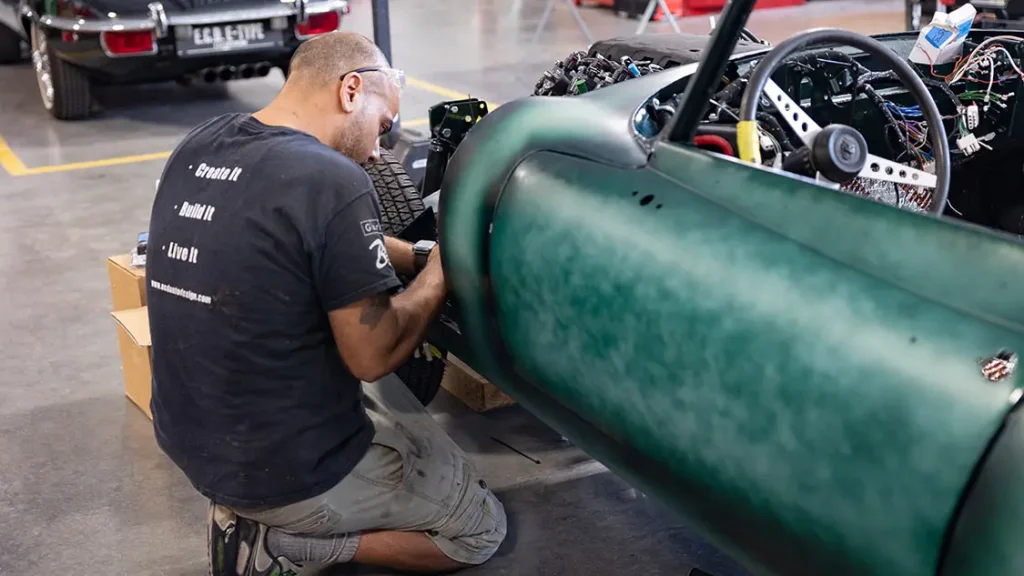
Loose grounds produce voltage drops that create strange electrical behavior, and overloaded circuits, where added accessories pull more current than the wiring and fuse rating can handle, build heat in the harness before anything trips.
Wiring red flags to address before regular driving:
Intermittent electrical faults tend to get worse, and tracing them after a failure is harder than catching them during the build.
Treat the test drive as a diagnostic, not a celebration. Work through each of these before calling a build road-ready:
Build receipts, alignment specs, brake configuration notes, and wiring diagrams create a record that can answer questions if something goes wrong on the road.
Photos taken during the build show the condition of components before they were covered up and can identify who did the work and when.
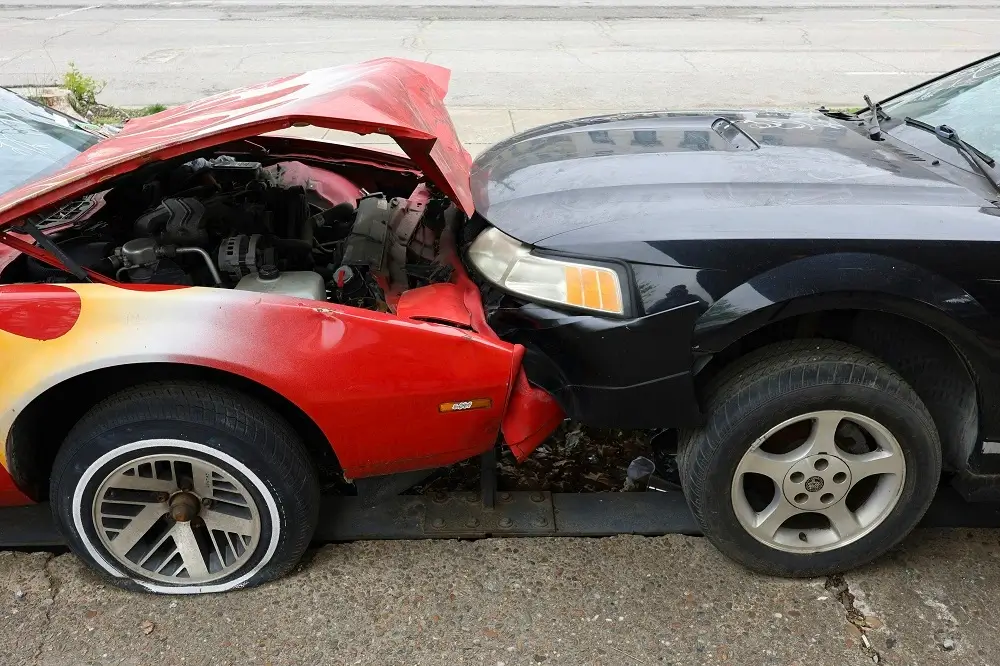
If a car accident happens and a mechanical failure contributed to it, the ability to reconstruct the vehicle’s condition before the wreck can be the difference between a clear picture and a disputed one. An attorney handling a car accident tied to a mechanical failure will want to know what parts were installed, who installed them, and what condition the vehicle was in, and build records are usually the only way to answer those questions accurately.
A build that earns attention at a show still needs to perform in braking, steering, restraint, visibility, fuel delivery, and electrical reliability before it belongs in traffic.
Skipping that verification doesn’t just put the driver at risk, it puts everyone else on the road at risk too. A finished build and a road-ready build are the same vehicle only after the mechanical work has been tested on the road and confirmed to perform. A build worth showing is a build worth getting right.