







 Sky Coleman August 06, 2026
Buying the vehicle you’ve always wanted is exciting. Getting the insurance quote afterward? Not so much.
Whether it’s a lifted diesel, a tire-smoking muscle car, or a clean classic you’ve spent years restoring, many enthusiasts are surprised to learn that car insurance rates can vary by thousands of dollars depending on what sits in the driveway.
Car insurance rates are influenced by much more than the badge on the grille. Insurance companies look at everything from repair costs and theft statistics to horsepower and replacement parts. The good news? Owning your dream vehicle doesn’t automatically mean paying sky-high premiums. With a little planning, enthusiasts can often reduce vehicle insurance costs without compromising the builds they love.
Insurance companies don’t calculate premiums based on how exciting a vehicle is, they calculate risk. Every vehicle on the road has years of data behind it, including accident frequency, repair costs, theft rates, and claim history.
A vehicle that’s inexpensive to purchase can still carry high insurance premiums if it’s frequently stolen or costly to repair after a collision. On the other hand, some surprisingly valuable vehicles are relatively affordable to insure because they tend to be driven less aggressively or accumulate fewer claims.
Your personal driving profile matters just as much as the vehicle itself. Factors like your age, driving record, annual mileage, ZIP code, credit history (where permitted by state law), and previous insurance claims can all contribute to your final premium.
In other words, your insurance company is evaluating both the vehicle and the driver behind the wheel.
Performance cars are built for excitement, but insurers see them through a different lens.
More horsepower often means higher speeds, quicker acceleration, and statistically greater claim severity. Vehicles like a Mustang GT, Camaro SS, Supra, Corvette, or Challenger Scat Pack generally cost more to repair than an economy sedan. Premium tires, larger brakes, specialty body panels, and advanced electronics all add to repair bills.
Past claims tell insurers a lot about a vehicle’s risk profile. If a particular model has a history of more collisions, speeding violations, or theft claims, premiums usually reflect that trend.
That doesn’t mean every performance car is prohibitively expensive to insure. Sometimes trim levels make a significant difference. A base model with a smaller engine may cost hundreds less per year than its high-performance sibling while delivering much of the same styling enthusiasts enjoy.
Performance isn’t the only thing insurers look at, either. Once you start customizing a vehicle, the insurance equation can change again.
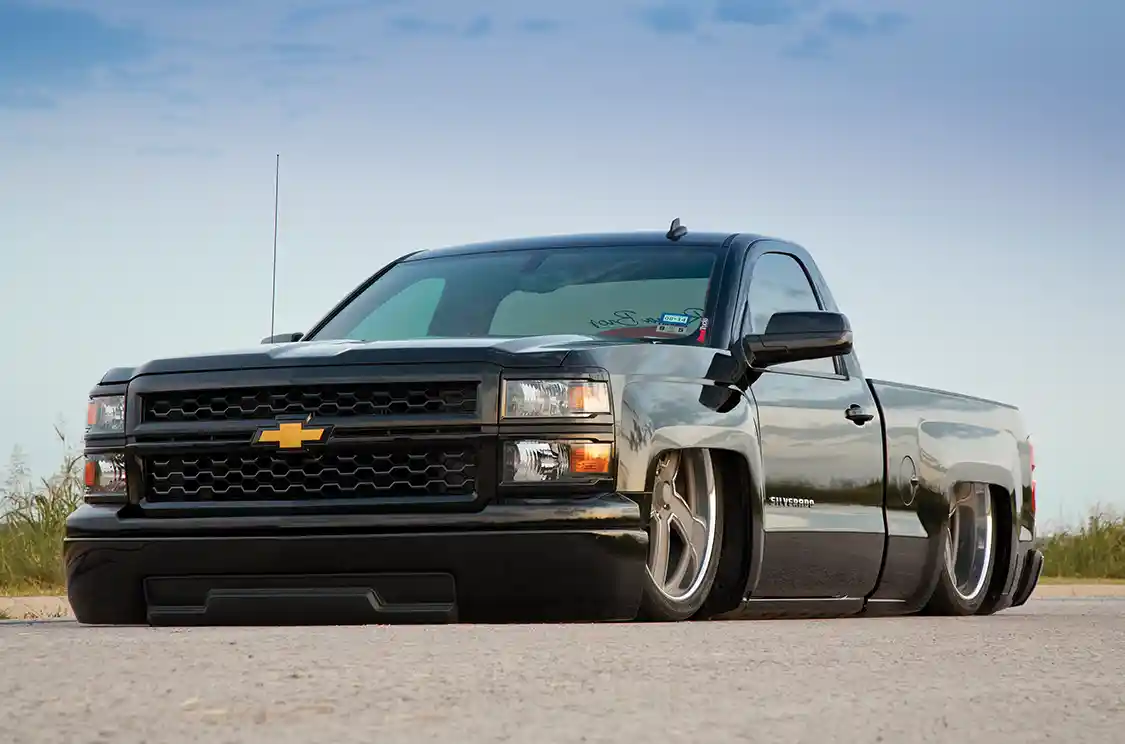
Few things are more satisfying than making a vehicle your own. Wheels, suspension upgrades, performance tuning, lighting, or engine modifications all help personalize a build—but they can also affect modified car insurance.
Not every modification raises insurance costs equally.
Cosmetic upgrades like aftermarket wheels or paint protection film may have little impact, while superchargers, turbo kits, engine swaps, or extensive suspension modifications often increase the vehicle’s value or performance enough to warrant updated coverage.
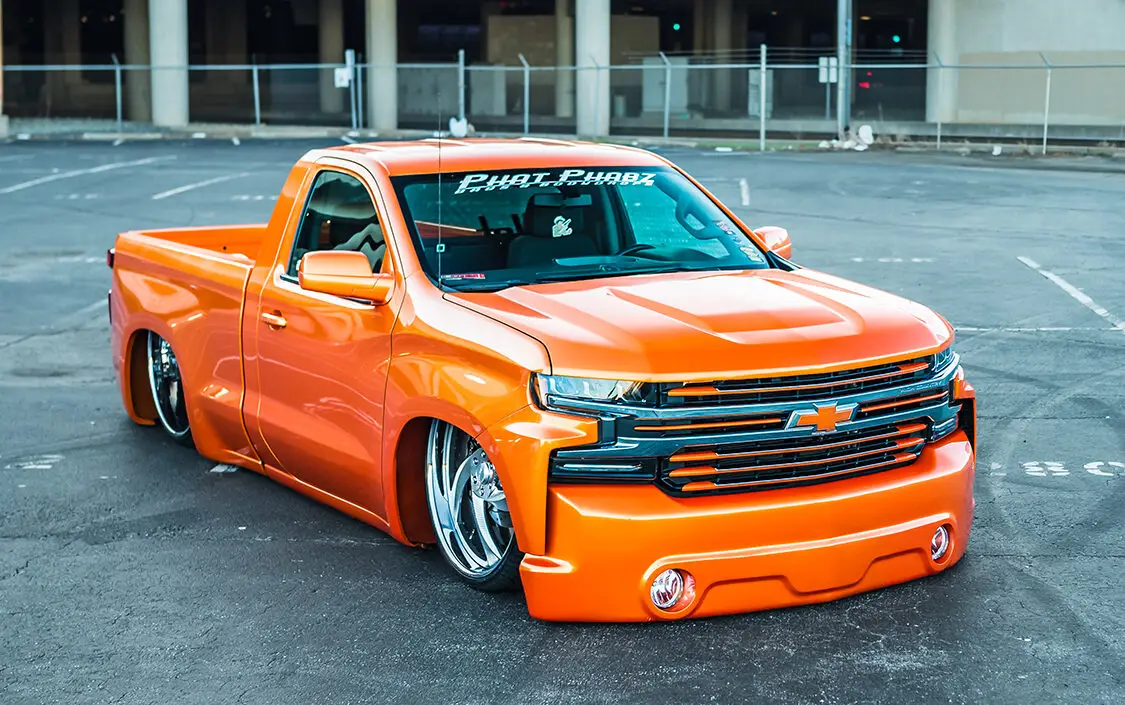
Think about two identical Ford F-150s parked side by side. One is completely stock, while the other has a six-inch lift, 37-inch tires, aftermarket wheels, steel bumpers, a winch, and auxiliary lighting. Even though they’re the same truck, they represent very different repair costs and replacement values if they’re involved in an accident. That’s exactly why modifications can influence insurance premiums.
One mistake enthusiasts commonly make is assuming aftermarket parts are automatically covered under a standard policy. In many cases, they’re not.
If you’ve invested thousands into custom wheels, lift kits, audio equipment, or performance parts, notify your insurance company. Many carriers offer endorsements that protect aftermarket equipment, and specialty insurers can provide agreed-value coverage designed specifically for modified vehicles. Keep receipts and photos of your upgrades, too. Having documentation makes it much easier to prove their value if you ever need to file a claim.
Being upfront about your modifications today can prevent expensive surprises after an accident.
Pickup trucks have earned a reputation for being practical, but truck insurance isn’t always inexpensive.
If you’ve ever insured a lifted diesel with aftermarket wheels, oversized tires, and a few performance upgrades, you already know the monthly premium can be eye-opening.
Heavy-duty diesel trucks, lifted builds, and trucks equipped for towing often cost more to insure than many people expect. Bigger repair bills and costly aftermarket equipment are often enough to push premiums higher.
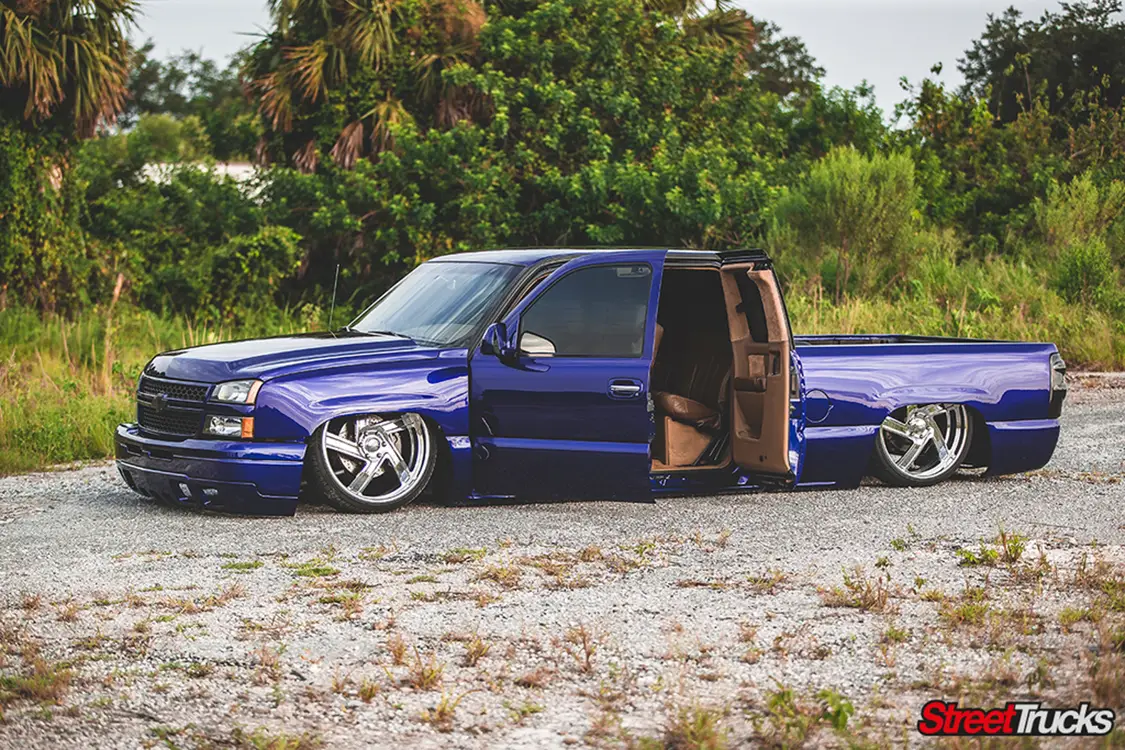
Even accessories can influence coverage. Lift kits, oversized tires, aftermarket bumpers, winches, auxiliary lighting, and custom wheels add value that may require additional protection.
Usage also matters. A truck used occasionally for weekend adventures presents a different risk profile than one towing equipment every day for work.
The upside is that many half-ton pickups still maintain competitive insurance costs compared to similarly priced sports cars. If you’re shopping for a new truck, comparing insurance quotes before signing paperwork can help avoid some surprises.
One of the biggest misconceptions in the hobby is that classic cars are automatically expensive to insure.
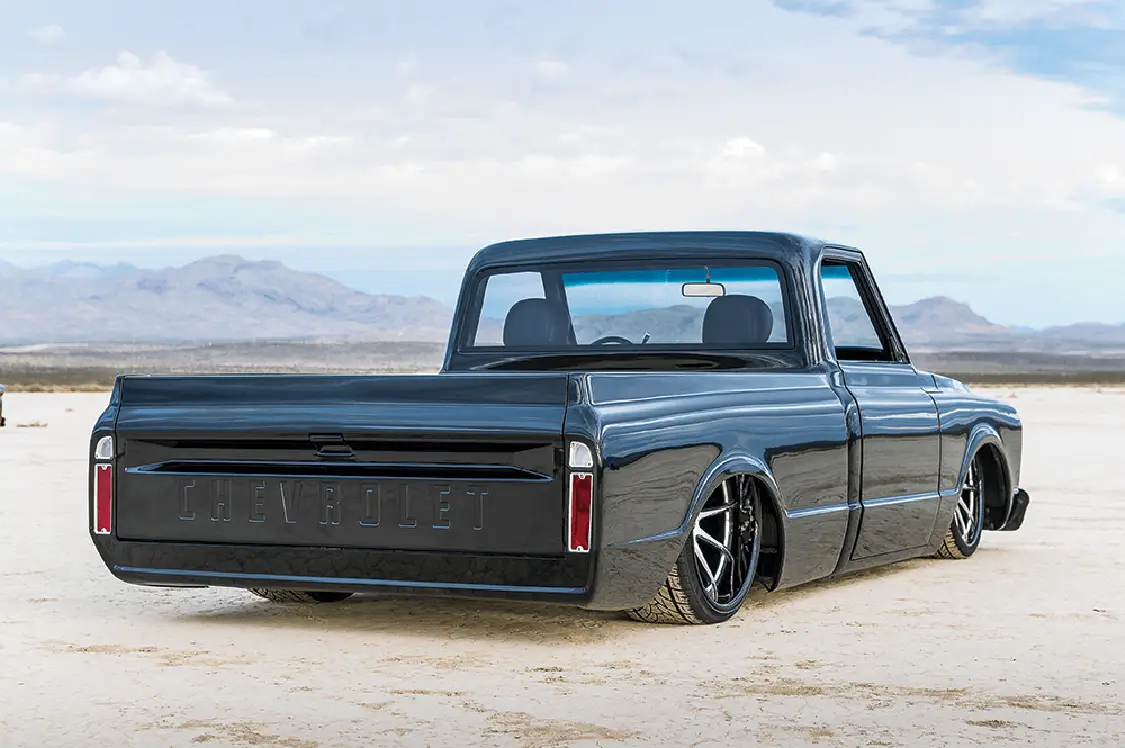
In reality, classic car insurance often operates under a completely different model than standard auto policies.
Collector vehicle insurance typically assumes owners drive their classics responsibly, store them indoors, and accumulate relatively low annual mileage. Because of those lower risks, premiums can sometimes be surprisingly more affordable.
Many specialty policies also offer agreed-value coverage. Instead of paying depreciated market value after a total loss, agreed-value policies establish the vehicle’s insured value before anything happens.
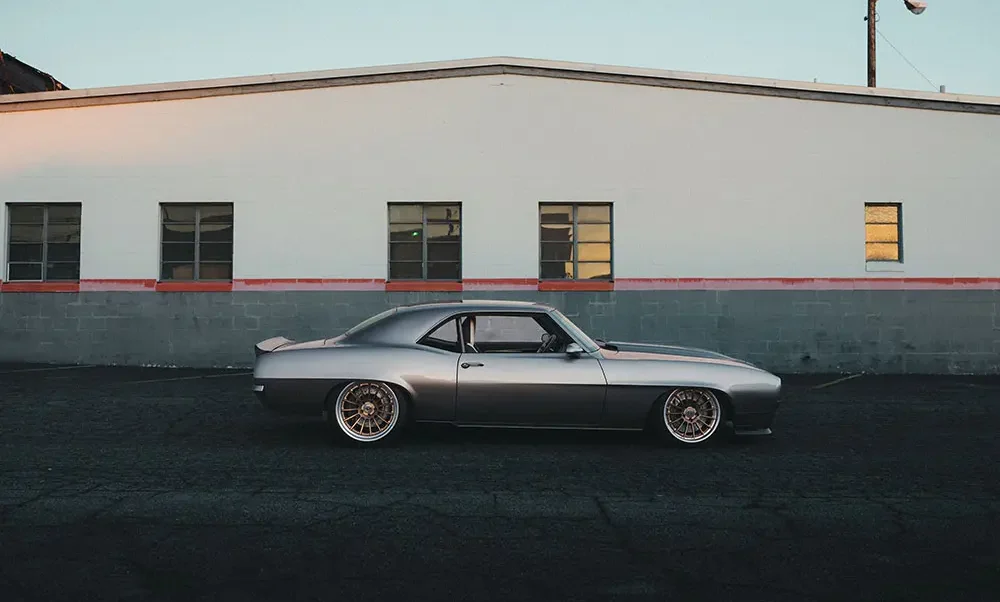
That can be invaluable if you’ve spent years restoring a classic truck, muscle car, or vintage hot rod.
Owning a fun vehicle doesn’t mean accepting the first premium you’re offered. A few smart decisions can help reduce car insurance rates while maintaining the coverage your investment deserves.
Start by getting quotes from multiple companies. No two insurers evaluate risk exactly the same way, which means the difference between quotes can sometimes be hundreds or even thousands of dollars per year for the exact same vehicle.
Bundling your home, renters, or additional vehicles with one insurer often unlocks meaningful auto insurance discounts. It’s also worth asking about discounts for safe driving apps, anti-theft devices, low annual mileage, paperless billing, or even completing a defensive driving course.
Increasing your deductible is another strategy that can lower monthly premiums if you’re financially comfortable covering a larger out-of-pocket expense after a claim.
For modified or collector vehicles, work with an insurer who is familiar with enthusiast builds. A specialty policy may provide better protection than a standard policy while remaining competitively priced.
Finally, review your coverage every year. Vehicle values change, modifications accumulate, and life circumstances evolve. Spending a few minutes reviewing your policy annually could uncover savings or identify coverage gaps before they become costly.
Insurance is easy to ignore until it’s needed, which is why small oversights can become expensive lessons.
One of the most common mistakes is failing to report significant modifications. If expensive aftermarket parts aren’t properly documented, they may not be fully covered after an accident.
Another mistake is focusing only on the monthly payment. Lower premiums often come with higher deductibles or reduced coverage limits that may not adequately protect your investment.
Many enthusiasts also forget to compare quotes each renewal period. Loyalty doesn’t always translate into the best pricing, and rates can change considerably from year to year.
If you own a collector vehicle, don’t just assume a standard policy offers enough protection. Specialty coverage is often designed specifically for vehicles whose value extends far beyond typical depreciation schedules.
For automotive enthusiasts, insurance is simply another part of ownership. Right alongside maintenance, upgrades, and weekend garage projects.
Understanding what influences car insurance rates helps you make smarter decisions before purchasing your next vehicle or investing in modifications. Whether you’re driving a lifted diesel, restoring a classic, building a show truck, or chasing horsepower in a modern muscle car, there are ways to protect both your vehicle and your wallet.
The key is choosing coverage that fits how you actually use your vehicle, asking the right questions, and reviewing your policy regularly. With the right approach, you can enjoy the vehicles you’re passionate about without paying more than necessary for insurance.
It often does. Higher-horsepower vehicles are statistically associated with larger claims, higher repair costs, and more performance-related accidents, which can lead to higher premiums.
It can. Lift kits, oversized tires, engine tuning, custom wheels, and other aftermarket upgrades may increase the vehicle’s value or repair costs, making additional coverage necessary.
In many cases, yes. Collector vehicle policies often offer lower premiums because classics are usually driven less frequently, stored securely, and covered under agreed-value policies.
Absolutely. Reporting modifications helps ensure expensive upgrades are properly covered if your vehicle is damaged or stolen.
Yes. Choosing a higher deductible typically reduces your monthly premium, but you’ll pay more out of pocket if you file a claim.
Not necessarily. While many performance cars carry higher premiums, factors such as theft rates, repair costs, driver history, location, and annual mileage all play a role in determining insurance costs. Some luxury SUVs and heavy-duty trucks can be just as expensive—or even more expensive—to insure than certain sports cars.

At the end of the day, insurance is just another part of building and owning the vehicles we love. The goal isn’t simply finding the cheapest policy, it’s finding the right coverage for the way you actually drive and enjoy your vehicle. A little research before you buy, a yearly policy review, and honest communication about your modifications can go a long way toward keeping car insurance rates under control while protecting the investment you’ve worked so hard to build.