








 Drive March 30, 2026
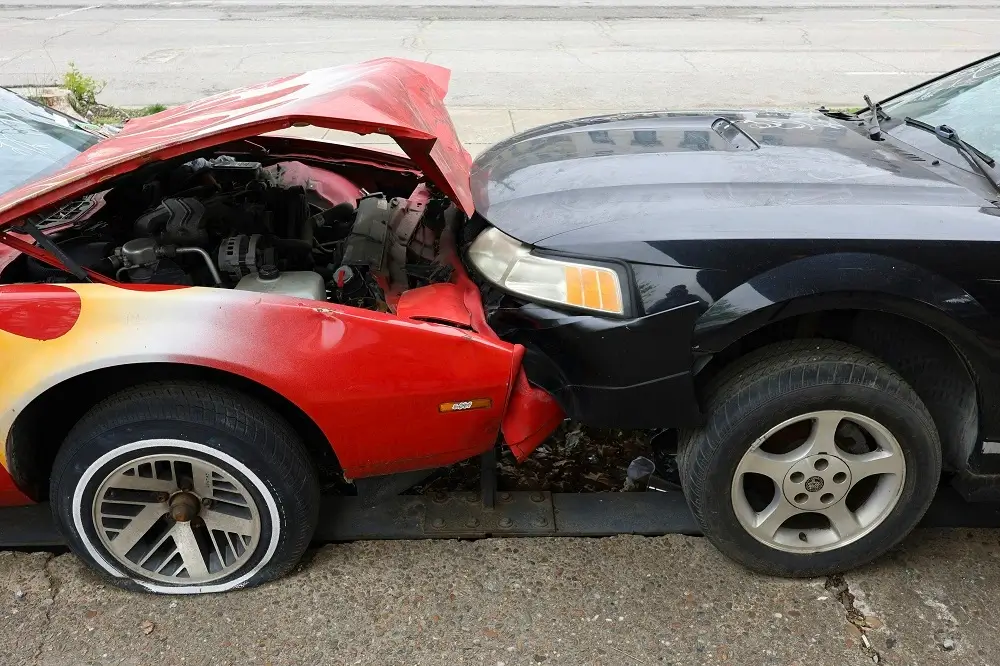
Image Source: https://images.unsplash.com/photo-1745845979138-be64a85272a5?q=80&w=1171&auto=format&fit=crop&ixlib=rb4.1.0&ixid=M3wxMjA3fDB8MHxwaG90by1wYWdlfHx8fGVufDB8fHx8fA%3D%3D
Getting behind the wheel for the first time feels exciting, but it also comes with real responsibility. Even careful drivers can find themselves in unexpected situations on the road.
Statista reports that nearly 237.7 million licensed drivers were on U.S. roads in 2023. This vast driving population presents significant road safety challenges across the country. Among all age groups, drivers between 21 and 24 years old face the highest risk of being involved in accidents.
The Insurance Information Institute notes that each year, roughly four million new drivers start using American roads. Most of these new motorists are teenagers earning their first licenses. However, about one million young drivers are involved in traffic accidents annually.
Car crashes are stressful, confusing, and sometimes frightening, especially when you are still gaining experience as a new driver. Knowing what to do ahead of time can make a huge difference when emotions are running high. This guide walks you through a few tips that help you think clearly and act responsibly when you’re dealing with a car crash.
The first few moments after a crash can feel overwhelming, especially if you have never experienced one before. Your heart may race, and your thoughts might feel scattered and unclear.
Just breathe and make sure everyone stays safe before you do anything else. Use your hazards because many rookies forget that when things get crazy. It warns other cars so you don’t end up with a huge pileup. Keeping your cool helps you think straight and handle the mess much better.
Once you have a moment to gather yourself, focus on checking everyone involved for injuries. Calling emergency services should be your next step if there is any doubt about safety or health concerns. Staying on the line until help arrives can ensure nothing is missed or misunderstood.
According to the US Department of Transportation, in 2022, US roadway deaths hit 42,514, marking a 10% increase over 2020 levels. Fortunately, fatalities began to decline in 2023 with an estimated 40,990 lives lost. Despite this recent drop, current death rates still remain significantly higher than they were before the pandemic.
More importantly, many accidents happen because another driver was careless, distracted, or simply negligent in their actions. In those spots, sorting things out afterward can get way messier than you’d think.
You might struggle to prove who’s at fault or get paid fairly for your injuries and car damage. Knowing when to call a lawyer protects your rights and cuts out a ton of recovery stress.
Working with car crash lawyers can help you navigate complicated legal matters after car accidents. An experienced car crash lawyer understands how to handle claims and negotiations effectively. Many car accident lawyers assist clients in recovering lost wages and covering medical costs related to injuries.
As TorHoerman Law notes, a knowledgeable car accident lawyer can also deal with insurance companies on your behalf. This support allows you to focus on recovery while professionals handle the legal side of things.
Reporting the accident to the appropriate authorities is often required, depending on local laws and the severity of the crash. Even if it seems minor, having an official record can protect you later. This report can serve as an objective account of what happened and support your version of events.
Contacting your insurance provider should happen as soon as possible after the incident. Provide them with accurate information and any evidence you have collected from the scene. Being real and sharing every detail helps the claim move faster and cuts out the annoying drama. Putting this off creates a bunch of extra headaches that you could have skipped by acting fast.
A car crash can feel discouraging, especially when you are still developing your driving skills and confidence.
Remember that slip-ups and wild moments are just part of the deal when learning a new skill. Instead of letting panic win, treat this whole mess as a super useful lesson for your future. Looking back at what went down helps you spot exactly where you can get even better.
Taking steps to become a more attentive and defensive driver can make a big difference moving forward. This might include practicing more, avoiding distractions, and staying aware of your surroundings at all times. Confidence will return gradually as you gain more experience behind the wheel. The goal is not to drive without fear, but to drive with awareness and control.
If a learner driver crashes, the supervising licensed driver may share responsibility depending on local laws. Insurance typically covers damages if valid. Authorities may investigate, and the learner might face restrictions or additional training requirements before continuing to drive.
The riskiest days to drive are often weekends, especially Friday and Saturday nights. Increased traffic, fatigue, and higher chances of impaired driving raise risks. Holidays and major events can also lead to more accidents due to busy roads and distracted drivers.
Trauma after a crash can stick around for weeks or even months, depending on the person. Some folks bounce back fast, while others deal with heavy emotional weight for a much longer time. Getting support, talking it out, and giving it time helps ease those feelings and heal your mind.
Dealing with a car crash as a new driver can feel overwhelming, but preparation makes everything more manageable. Remember that even experienced drivers face accidents, and it does not define your ability or potential. What truly matters is how you respond and what you learn from the situation.