







 Sky Coleman October 13, 2026
Costs Insurance Modifications
Sky Coleman October 13, 2026
Costs Insurance Modifications 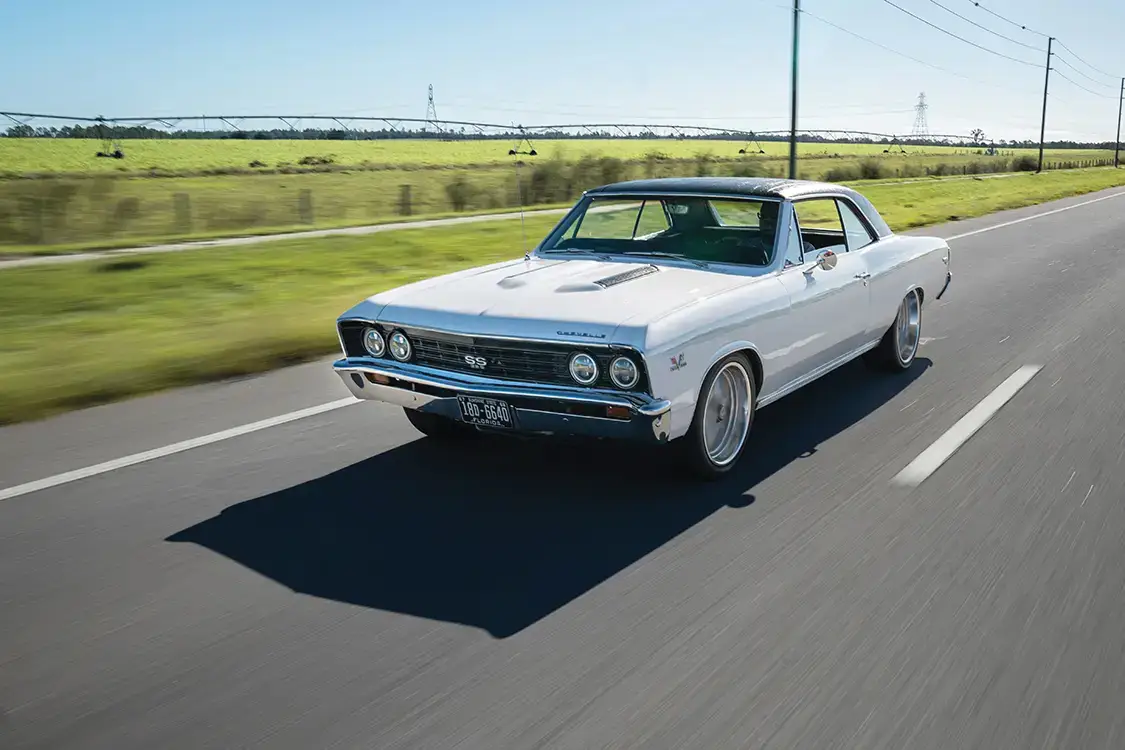
Why Modified Cars Cost More to Insure
Buying the vehicle you’ve always wanted is exciting. Getting the insurance quote afterward? Not so much.
Whether it’s a lifted diesel, a tire-smoking muscle car, or a clean classic you’ve spent years restoring, insurance rates can vary depending on what sits in the driveway. Companies look at everything from repair costs and theft statistics to horsepower and replacement parts.
Why Car Insurance Rates Vary So Much
Insurance companies don’t calculate premiums based on how exciting a vehicle is; they calculate risk. Every vehicle has data behind it, including accident frequency, repair costs, theft rates, and claim history.
Your personal driving profile matters just as much as the vehicle itself. Factors like your age, driving record, annual mileage, ZIP code, credit history where permitted by state law, and previous claims can all contribute to your final premium.
Why Performance and Modified Vehicles Cost More
Performance cars are built for excitement, but insurers see them through a different lens. More horsepower often means higher speeds, quicker acceleration, and greater claim severity. Premium tires, larger brakes, specialty body panels, and electronics can also add to repair bills.
Modifications can change the equation again. Wheels, suspension upgrades, performance tuning, engine swaps, turbo kits, and other aftermarket equipment may increase a vehicle’s value or performance enough to warrant updated coverage.
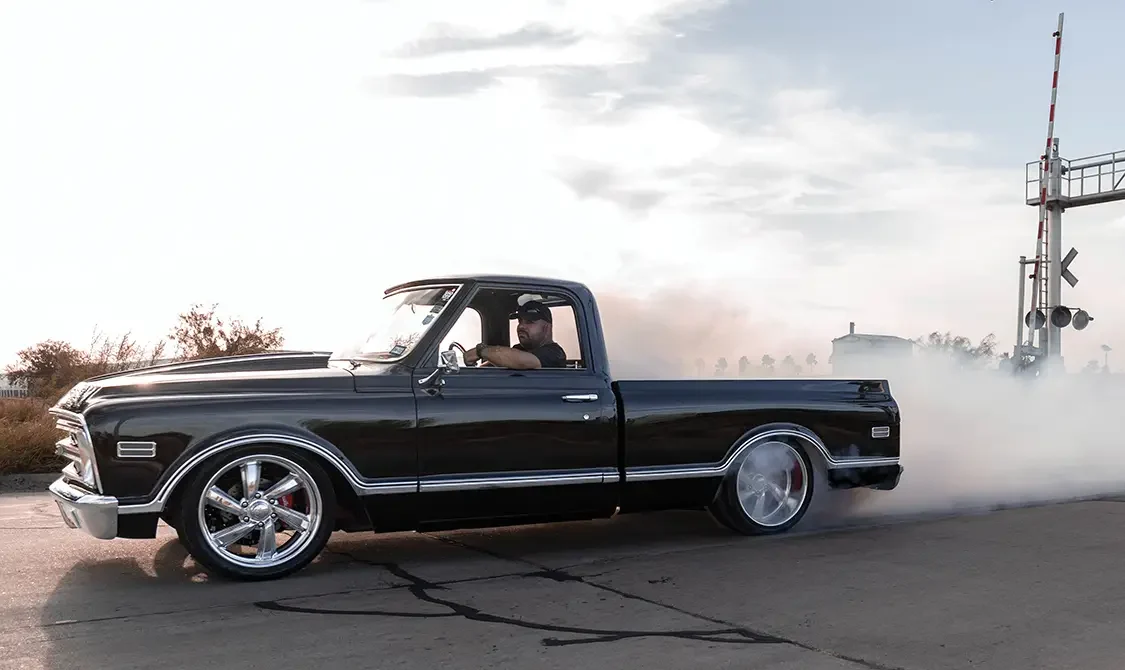
Think about two identical Ford F-150s parked side by side. One is stock, while the other has a six-inch lift, 37-inch tires, aftermarket wheels, steel bumpers, a winch, and auxiliary lighting. Even though they’re the same truck, they represent very different repair costs and replacement values.
One mistake enthusiasts commonly make is assuming aftermarket parts are automatically covered under a standard policy. In many cases, they’re not. If you’ve invested thousands into custom wheels, lift kits, performance parts, notify your insurance company and keep receipts and photos of your upgrades.
Classic Car Insurance Works Differently
Classic cars aren’t automatically expensive to insure. Collector vehicle insurance often assumes owners drive their classics responsibly, store them indoors, and drive relatively few miles. Because of those lower risks, premiums can sometimes be surprisingly affordable.
Many specialty policies also offer agreed-value coverage. Instead of paying depreciated market value after a total loss, agreed-value policies establish the vehicle’s insured value beforehand. That can be especially important if you’ve spent years restoring a classic truck, muscle car, or vintage hot rod.
How Automotive Enthusiasts Can Lower Car Insurance Rates
Owning a fun vehicle doesn’t mean accepting the first premium you’re offered. Start by getting quotes from multiple companies. No two insurers evaluate risk the same way, so rates for the same vehicle can vary considerably.
Bundling your home, renters, or additional vehicles with one insurer may unlock discounts. It’s also worth asking about savings for anti-theft devices, low annual mileage, safe driving programs, paperless billing, or defensive driving courses.
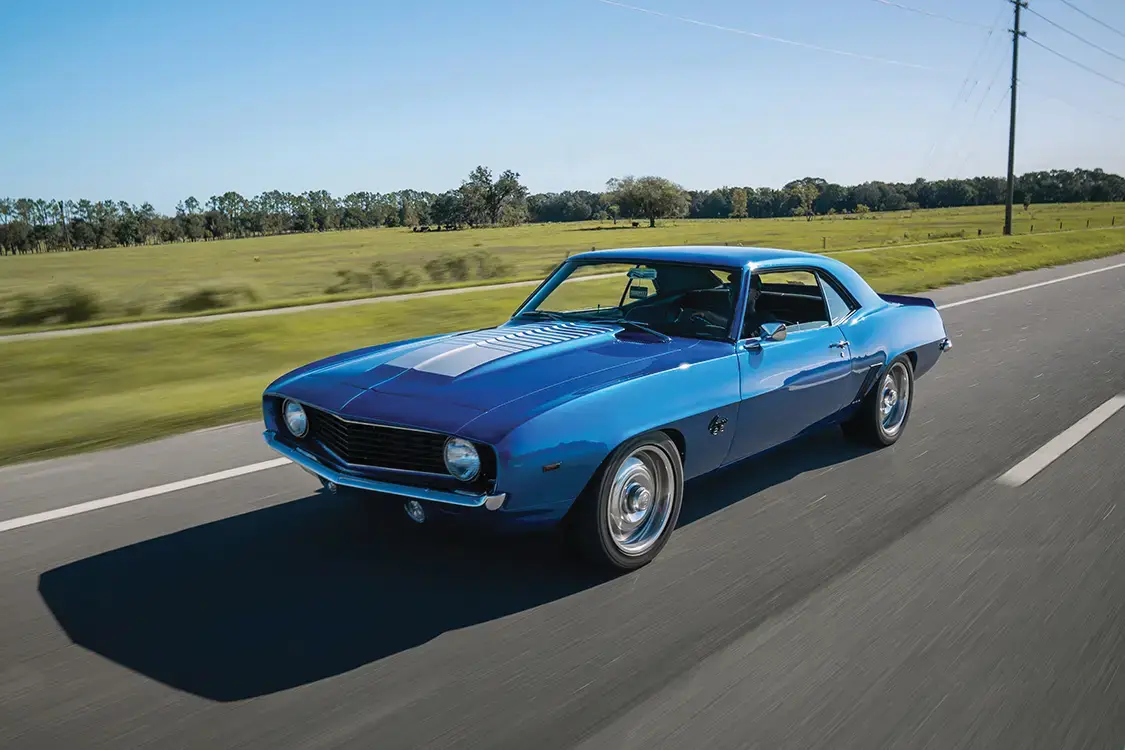
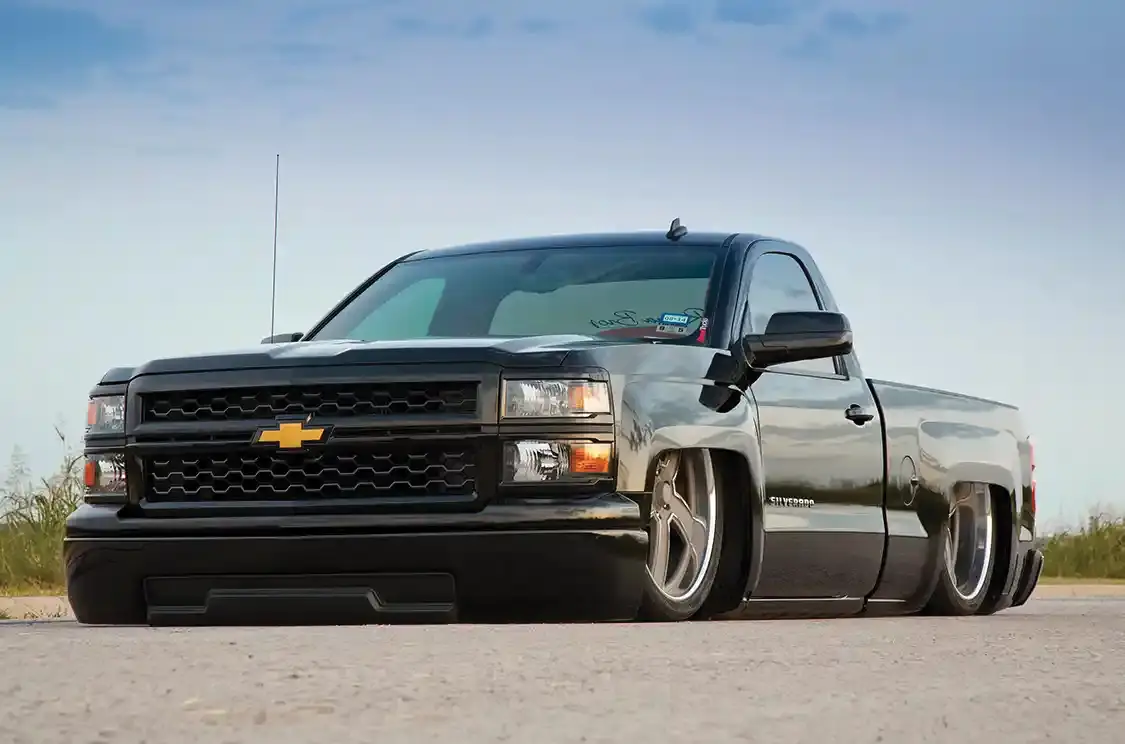
For modified or collector vehicles, work with an insurer familiar with enthusiast builds. A specialty policy may provide better protection than a standard policy at a competitive price.
Finally, review your coverage every year. Vehicle values change, modifications accumulate, and life circumstances evolve. A yearly review can uncover savings or identify coverage gaps.
The Bottom Line on Car Insurance Rates
For automotive enthusiasts, insurance is another part of ownership, alongside maintenance, upgrades, and garage projects.
The goal isn’t simply finding the cheapest policy it’s finding the right coverage for the way you drive and enjoy your vehicle. A little research before you buy, policy reviews and honest communication about modifications can help keep insurance costs under control while protecting your investment.
PHOTOS BY Drive Staff